
I thought the new year would be a good time to reflect on how we work and where it’s going. After two long years, I’m finally back in the office and in some ways, it’s been a total relief and a game changer.
With all the dialogue surrounding hybrid and remote work, I thought I would chip in my two cents, as someone who’s been on both ends of the spectrum. I hope this gives you some insight into your current work style and help you make decisions if you’re thinking of applying for positions in the future.
If you haven’t already, check out this post on the Pros and Cons of Remote Working.
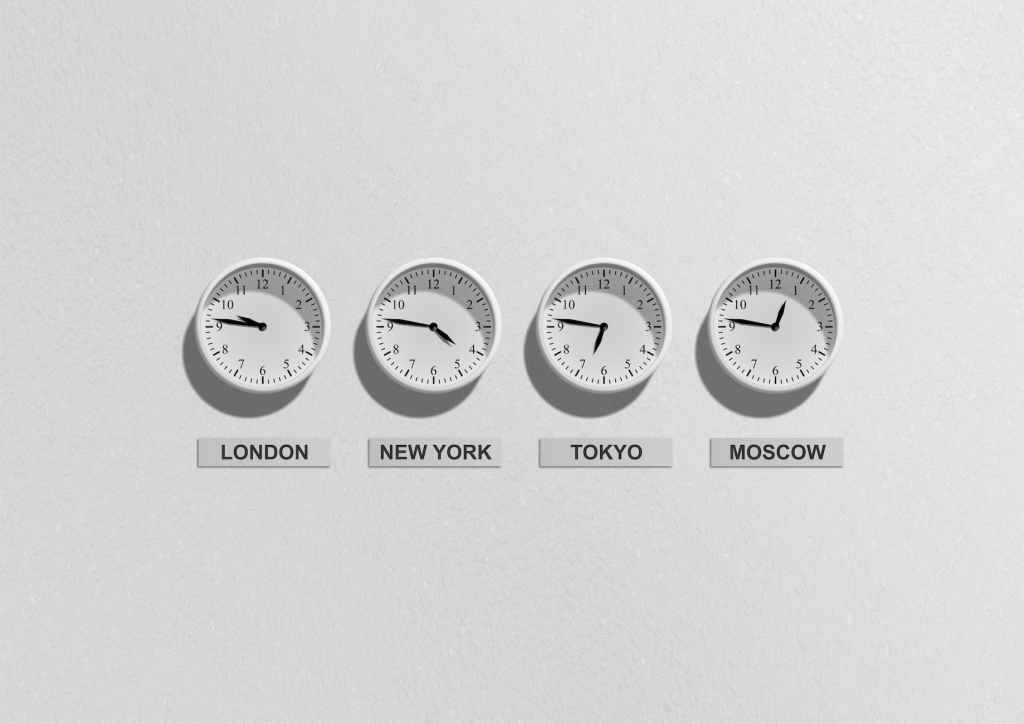
First of all, I just want to say that the 9-5 system is broken. It’s been said that the 9-5 model was invented by Henry Ford for his assembly line workers. With modernization and more people working in knowledge industries, the attractiveness of this antiquated model is decreasing faster than you can say “giving”.
Unless you’re building a whole company from the ground up, or you’re one of the founding team members of a fast-growing startup… you will not be working 40 hours a week. You might be present for 40 hours, but the amount you’re actually focused and productive will come down to 20. The reason is, most employees are enveloped with pretty solid support. You were likely hired to fulfill one part of the equation that powers the entire machine. This isn’t a bad thing; it merely means that your breadth of work is exclusive to one domain. Your salary is likely reflected by this too and will fluctuate up or down depending on your level of expertise, and market rate. Now, if you’re given additional management duties you will likely be hitting closer to 30 hours on average, but even then, not every day will equate to the full eight.
Simply put, the 9-5 system forces us to stay longer at one place where we’re not actually productive or feeling accomplished, which detracts from our overall energy and time spent doing the activities that replenish us. This is where remote work does become attractive. Because you can take an hour yoga break, or walk your dog..etc. Remote work simply offers us more flexibility to integrate activities or rest into our normal work routine which adds to our energy.
Remote Work and Productivity
With everyone seemingly gloating about remote, it’s tempting to turn on that remote filter on our job searches. However, be cautious. I believe whether you excel in a remote system, really depends on your personality.
Personally, I tend to work better when there are others working around me. It’s an extra layer of accountability that keeps me alert and focused on what I’m doing. People argue that “Oh your co-workers are distracting..etc”. Think for a second, is your colleague talking to you for a couple of minutes more distracting than your TV, your bed, takeout menus, cafe customers, and cellphone combined? Didn’t think so.
Facetime – This is underrated. It’s no secret that nothing beats building relationship building than proximity and similarity. When you’re physically with someone day in and day out, you get to know them a lot better, and you understand the dynamics and the culture. When you believe that you fit in with the culture, you’re more likely to stay with this company. The reasons are psychological safety and relatability. Regardless of how much we’ve tried to individualize our cultures, humans are by default collective beings. We thrive in social groups.

If your goal is to grow up your career at this company, spending more face time with the decision-makers can aid you in this goal. Don’t be another face on Zoom.
Remote Work and Mental Health
Working remotely had a somewhat turbulent effect on my mental health. If you’re someone who’s self-critical, remote working can drive you into a more isolating bubble of self-critique. There will be certain days working remotely that you run out of juice. Or it’s simply not a busy season, and you find yourself simply bored. Being stuck with your own mind can be the deadliest disease. You might start to be overly harsh on your level of accomplishment, even when no one in your company is concerned with it.
Conversely, when you’re in the office, you always have colleagues to turn to. Don’t underestimate the power a few conversations, genuine smiles, and eye contact can have on your overall day. Companies should seek to provide morale-boosting activities at least once a month, anything as simple as a team lunch.
My mental health is probably the #1 reason why I decided to go back to the office. And so far, it’s been very productive for me.
Remote Work and Compassion
We all know it’s easier to be passive aggressive through text or e-mail than it is in person. When all that divides us and a colleague is a screen, it can sometimes make it easier to forget that the person on the other side has emotions. A stressful day can turn into a thoughtless message, and cause turbulence in your work relationships later on. And this burn can sting for a long time.
When we’re interacting with others in person, it’s easier to assess from their body language or facial expressions whether they need more space or more compassion that day. Learning how to take a step back and not turn a bad day into a meaningless confrontation can make all the difference in the long run. When you burn a bridge with someone, it can change the dynamics of your relationship forever. And I argue, this is much easier to accomplish virtually as opposed to physically. All these characteristics I mention (body language, expression) that are so important to look for can only be found when you see someone face to face.
Remote Working is Not for Everyone but It has its Merits

Although I have my issues with full remote, remember, this is just me, my personality, and my experience. This does not mean working remotely sucks for everyone—in fact, the majority of the tech people I’ve spoken to would probably not even consider a job that isn’t at least hybrid. Remote working, without extreme supervision, allows more trust to be fostered between the C-suite, managerial suite, and employees. It’s basically your manager telling you, “Hey, I’m not going to creepily stalk your screen, and trust that you’re going to deliver what you need to meet our company/departmental objectives. Now you can sleep in until 12 and work until 9 if that works for you. Or you can take your family skiing in the morning and work in the evening, all is good.” As long as there is a certain form of mechanism that allows the worker to focus on output, rather than the amount of time being spent on the task— I think it’s fair to say that it’s a win-win for both the company and the employee.
What I’m simply pointing out are the deficits in dialogue surrounding full-time remote work —given you’re not excavating to Bali or some other beach town six months a year. But hey, maybe I’ll have a different opinion when I take that road.

 Secret Prose
Leave a comment