


If you live anywhere where the sun doesn’t shine 300 days a year, then you probably know exactly what I’m talking about.
S.A.D. (Seasonal Affective Disorder) is a condition that derives from the lack of sunlight. It makes you want to crawl behind your bedsheets and never get out until the first peak of ray.
Living in the capital of rain, I have gotten used to these doubts of depression in the winter months—doesn’t make it any easier though.
Some symptoms I experience are low energy, sadness, and lack of motivation. It’s difficult because it’s something you feel like you can’t help.
However, I have found some tips to be helpful when navigating these harsh winter months. Here I share some simple things you can do to help alleviate the symptoms of SAD.
Wake up Earlier & Have a Solitary Morning
According to a study out of the of Colorado Boulder and the Broad Institute of MIT and Harvard, early birds are at a reduced risk of depression by 23%.
This may seem counterproductive— why would I wake up earlier to the darkness? But that’s exactly it— we’re slowly desensitizing ourselves to the conditions that traditionally make us feel worse. Instead of letting it have control over us, we take ownership of it; making the decision to face the mornings head-on and infusing it with productive activities.
Working out first thing in the morning can get those endorphins running so you start your ‘actual’ morning feeling refreshed. I say actual morning because let’s face it—the hour before you actually ‘wake up’, you’re barely comprehensive of what’s going on. But what you do in that hour or two can have a significant impact on the rest of your day. Partly because you have already accomplished some things before you formally start your day.
Listening to a meditation or an uplifting podcast can help you feel a surge of motivation because the sound of a human voice can make you feel more connected to the world.
Change your Environment

One of the greatest antidotes I think to SAD is to remove yourself from an environment where all you have access to is your own mind.
Schedule regular coffee dates or walks with friends. Or if you have the option to, go work or study at a cafe where it’s often brightly lit and populated with other human beings.These little habits can really spruce up your energy levels.
If you prefer to stay home, think about adding a touch of ambiance to your living space. Think of it as if you’re transporting yourself out of the darkness by transforming your home into an oasis. You want to take advantage of how interior design can shift your psychological state—evoking emotions of safety, relaxation, romance, and happiness.
Experiment with colors, lighting, and decor. Cleanliness is also crucial; akme it a habit to tidy up your space ritually, because a clean space equals a soothed mind.
Have a Project you’re Psyched to Work on
This could be work-related or a hobby, but find something long-term that you can set your mind to. This often I find is the greatest motivator to get yourself out of a low state, because you’re constantly focused on accomplishing parts of a project you really care for.
Now, the hardest thing when you’re going through these low states is probably getting started. It feels like you’re literally fighting your brain— it wants to go back to bed, but you know once you start acting on something you value, you’re going to feel better.
Which is why a helpful tactic is to just tell yourself that you’re only going to work on it for 5 minutes. If you can survive these 5 minutes, at least you put yourself in the headwind of accomplishing task. Often times, it’s when we get started that things start to flow. I find that especially withcreative work— writing, constructing..etc once you bypass the challenging stage, you’ll find yourself working on it for much longer than you anticipated.
I find that working on something helps—not just for the sake of productivity, but because doing nothing actually makes me feel worse. You’re just marinating in negative emotions, and worse off—boredom.
Now there will be times when you get in front of whatever you’re doing, and you find yourself unable to focus for more than a couple of minutes. This is when you have to turn things off, and give yourself a break. Sleep, go for walk, or see someone; this is probably your body telling you “Hey, I’m burned out. I’m tired. I can’t do anything that requires too much thinking at the moment.” What I find helps is cleaning. Often when my brain doesn’t want to perform, getting in the physical motion of accomplishing something is extremely helpful. Not only so, who doesn’t want a cleaner room/kitchen/living room?
Spike your Adrenaline
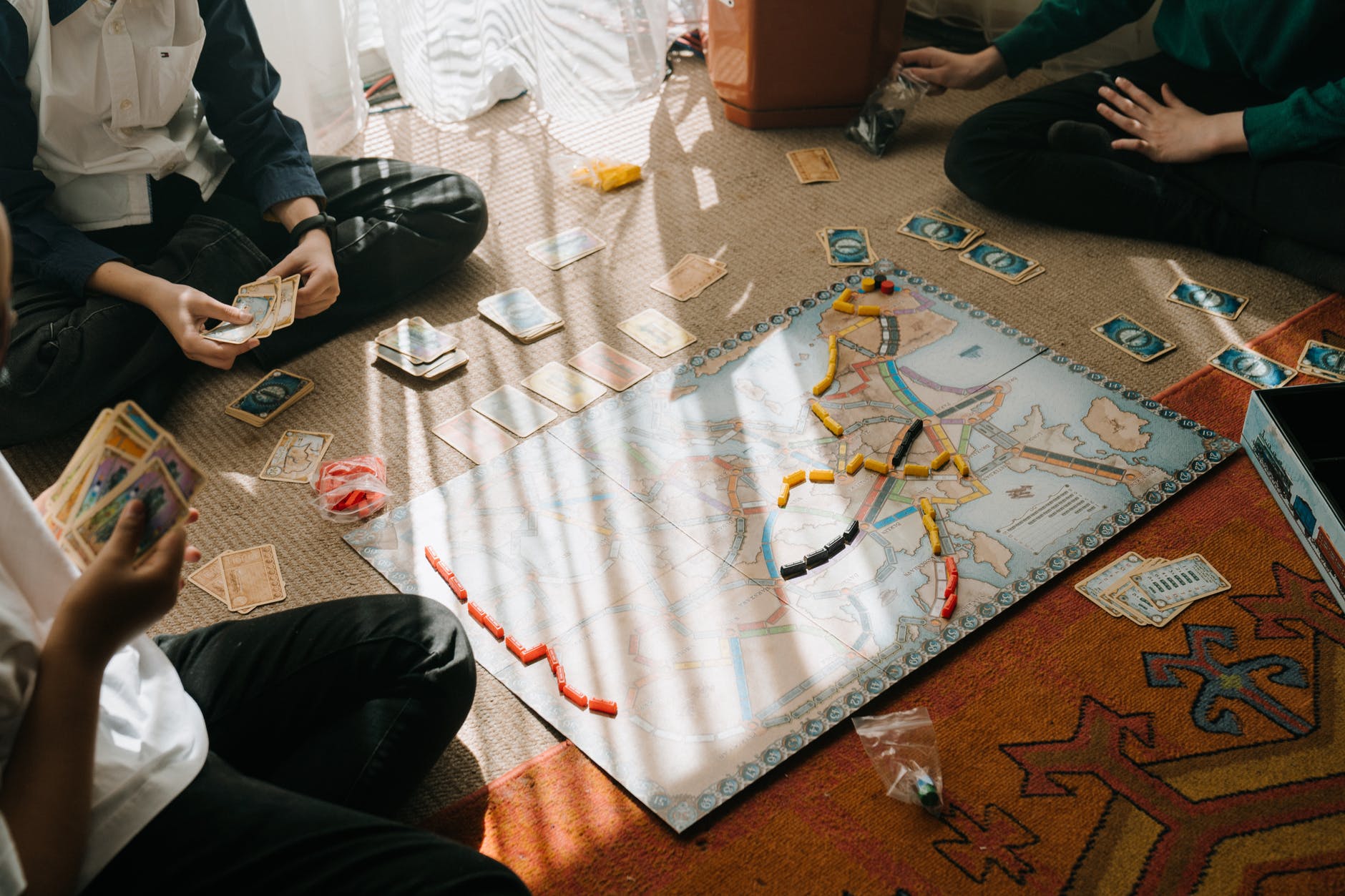
There’s nothing that gets you a little riled up than a healthy boost of adrenaline from competitition. Put yourself in a situation where you have to be a little competitive. Play a video game for 20 minutes or challenge someone to a friendly AI powered debate. These simple activities can have an impact on your adrenaline and mood levels. Even certain types of music, can be incredibly therapeutic which means your allowed to turn your room into a temporary club!
Conclusion
I’m still learning how to combat the feeling of shame on the days where I’m unable to be 100% productive or functional. Unfortunately, like many out there the weather does get me down. These techniques are a helpful reminder that it is possible to bring ourselves out of a negative state and maintain our productivity, whether that means meeting our work, social, or health goals. There are going to be days where all you can do is get more rest. The main point people often don’t remember is that it’s not forever, and these periods of rest replenishes our reserves so that we can bounce back stronger later. Going through these phases have taught me how to be more patient and more compassionate towards myself.
Through experience, I know I can’t be 100% all the time, there are days where I’ll be 30% and days where I feel like high off the rocket. It’s more important to me to make these productive habits a normal part of my life—and recognizing my own cues of dipping into a lower energy state. Over the long run, I believe you can reverse the effects from S.A.D. by regularly tuning your reactions to it.
 Secret Prose
Leave a comment