
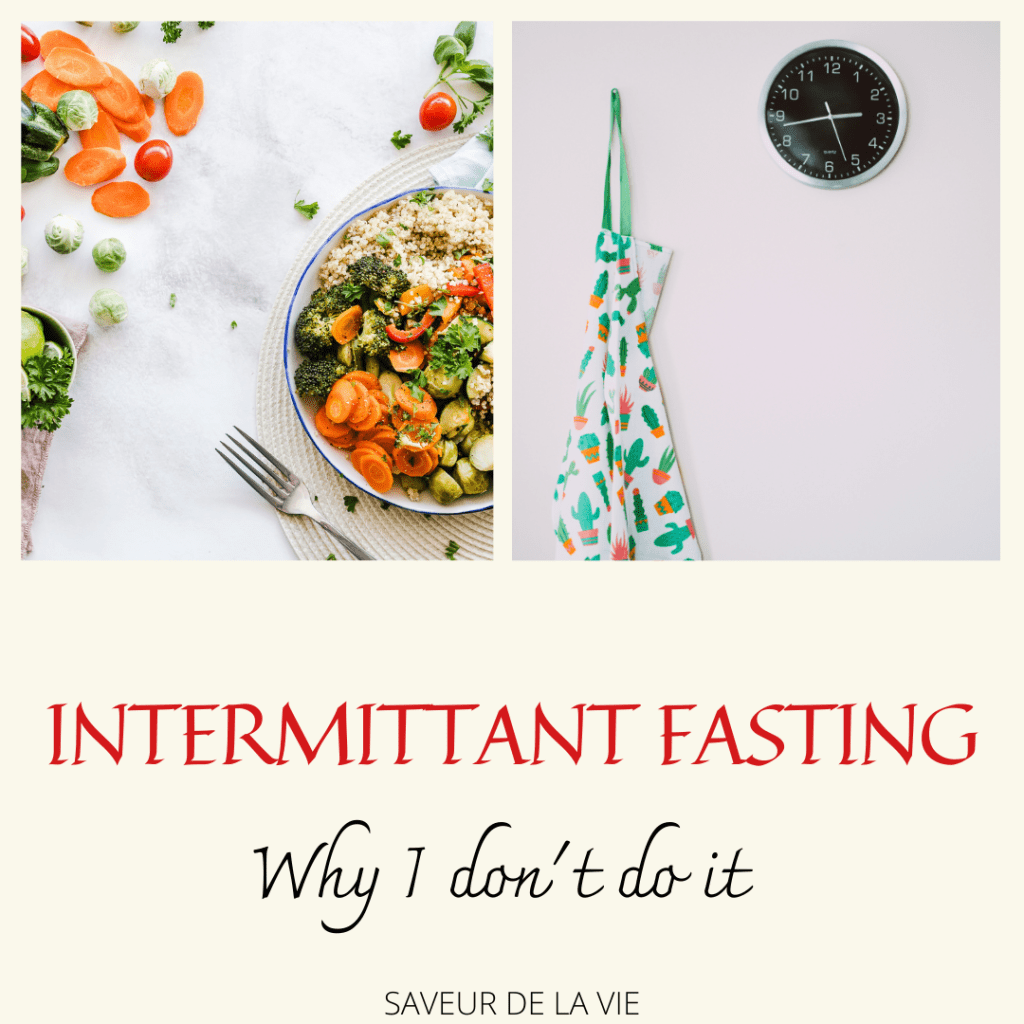

Intermittent fasting has become as popular as the Atkins diet was back in the late 90s. In recent times, it’s been touted as some kind of miraculous way to lose weight— with ease.
Here’s the catch. Eat whatever you like. It’s about when you eat it.
The concept behind intermittent fasting is that if you leave large windows (16 hours) where you’re body is not consuming calories, it will start to convert your fat stores to energy.
Generally, you can only start eating past noon, and you stop consumption at 8 pm. Also, because you have such a short window to eat, it’s less likely you’re able to cram as many calories into that time, than if you had the whole day to snack and munch.

Fitness YouTubers like Chloe Ting, typically recommends larger than average, healthy, and substantial meals. Examples include starchy whole grains like brown rice, sweet potatoes, proteins like chicken breast and tofu, a large portion of steamed vegetables. The point is to get as full as possible from meals so you can reduce the extra calories from snacks. Not snacking the whole day gives your digestive system a break as well.
In the Spring of 2020, I jumped on the IF train as I wanted to shed a bit of weight for the summer. Did it work?
Yes and No. Here’s why.
The Mental Energy Trap
Our brain consumes 20% of our daily energy. As Jim Kwik, learning and brain specialist in his book Limitless points out the better the fuel is, the better it will be for your brain.
This means to perform at our best, we need a consistent flow of energy to sustain ourselves. You wouldn’t let an athlete go even six hours without eating if they were training; so why would you go 16 hours without putting any energy into your body if you wanted your brain to perform at a high level?
Now, of course, everyone has different eating schedules. Not everyone wakes up hungry. I certainly don’t eat the first thing, it takes me at least an hour or two to feel hungry. And during that time I wake up, my body is typically pretty refreshed, mind rested, so I’m able to get into a pretty good flow state of work. But I extend this further, I’m usually not listening to my body’s natural cues, and relying on caffeine for energy (which is bad because it leads to crashes and cravings later on).
Feeling Tired All the Time

Back in the Spring, I was waking up early, commuting 30 minutes to work, and then arriving at the office to do pretty simple bookkeeping. Nevertheless, time went by pretty slow, and as soon as I got to the office, the hunger would hit. Just the mental energy exerted through thinking about my hunger, thinking about when the clock would finally hit the predisposed time to eat, was draining in retrospect.
I can still vividly remember feeling dizzy and faint all the time. I didn’t have the energy to climb up a flight of stairs or talk to anyone. I went through at least 3 coffees in the morning just to have energy. I feel sad about why it is I put myself through this for the sake of losing a few pounds.
I had convinced myself that food slowed down my thinking process; that if I eliminated it from the equation, all my energy would be directed towards work. I realized that starving does no good for concentration— it takes away from the overall energy you need to perform tasks.
How Much Weight I Actually Lost
I lost around 2 kilograms of my frame while I was on this diet. Of course, I wasn’t on it full time, there were days when I cut myself some slack. The most notable thing was an inch off my waist. I actually maintained this for over a year, even when I went back to ‘regular’ eating.
However, based on the sheer quantity I was eating for meals, I was more likely to be bloated throughout the day. As you can imagine, how I felt about myself was based on very artificial metrics.
My Exercise Routine
I exercised pretty rigorously and tried to stick to a routine of 6 times a week. However, it was more low impact, cardio types of activity. This was back in the pandemic days when gyms were closed, so I primarily did pilate videos from home.
Sustainability Score
Depends on the person. If you have a hectic, busy work schedule, this might work for you, because you’re just so distracted anyways to eat. But in a way, you might to repressing your body’s natural hunger signals for a prolonged period of time, which can lead to digestive problems later on.
However, in the long term, I still firmly believe that eating consistent, healthy, and balanced meals will lead to more sustainable energy throughout the day. So you’re not overly dependent on caffeine, or starving at certain points of the day, where you’re more likely to reach for less nutrient-dense options.
Everything you put in your body is a choice. You can either put things that offer little to no nutrient value, or you can fuel your body with a variety of micronutrients and antioxidants which will benefit your brain and body in the long run.
Eating and Exercising: What it’s like Today
I no longer follow the intermittent fasting model as you can probably guess. Of course, sometimes it naturally happens on its own if I’m busy or wake up very late if I’m traveling.
However, the key is, I don’t like to waste my energy overthinking food. There are plenty of better things to do with my time. Once a week I think about a healthy meal recipe I can prep for the entire week— I have no problem eating the same lunch every day. To me, food is energy, and it’s required for me to function at my best.
I’m also aware that if I don’t eat properly, I can’t perform as well at the gym. I’ve taken on weight lifting for a little over a year now, and it’s been one of the best fitness choices I’ve made. As I talked about in my last post, building muscle is crucial if you want to change your physique for the long run. The wonders it does for your metabolism. This is why I don’t worry about indulgences here and there, because I know the majority of the time, my diet is pretty healthy, and the weight training will offset it.
Food and exercise should not be a mental trap. Feeling healthy and being in shape should not take rocket science to figure out. More of my energy can be allocated towards creating quality work, breeding stronger connections with people, and learning new skills.
The Bottom Line
IF theoretically can help you lose weight. The main problem I have with it is that it took up too much of my mental capacity for it to be worth it. Plus, I can never stick to it— to me, it’s just like another diet. The only thing IF is good for is if there’s something you need to get ‘shape’ fast for something (a vacation, wedding..ect). However, the most sustainable option to stay in shape year round is to consistently eat a healthy, well-rounded diet, reducing your stress levels, and focus on muscle building.
 Secret Prose
Leave a comment